Explore educational content about lifestyle approaches and nutritional strategies for everyday wellness
Men's wellness encompasses a holistic approach to health that includes balanced nutrition, regular physical activity, and mindful lifestyle choices. Understanding the role of nutrients in daily life can help individuals make informed decisions about their dietary habits.
This educational resource provides insights into how different food groups, vitamins, and minerals contribute to overall well-being. The information presented here is designed to explain concepts rather than provide individual recommendations.

Understanding the basic role of nutrients in human nutrition
Proteins, carbohydrates, and fats are the three primary macronutrients that provide energy and support bodily functions. Each plays a distinct role in nutrition and can be found in various food sources.
Vitamins and minerals are essential micronutrients required in smaller amounts. They support immune function, bone health, and cellular processes throughout the body.
Water is fundamental to human health, supporting digestion, temperature regulation, and nutrient transport. Adequate fluid intake varies based on individual factors and activity levels.
Daily eating patterns can significantly influence energy levels and overall wellness. A balanced approach typically includes a variety of whole foods from different food groups, consumed throughout the day.
Research suggests that incorporating diverse nutrients from vegetables, fruits, whole grains, and protein sources can support bodily functions. The timing and composition of meals may vary widely among individuals based on lifestyle and preferences.
How physical activity complements nutritional approaches
Regular movement and exercise are components of a healthy lifestyle. Different types of physical activity, from aerobic exercises to resistance training, offer various benefits and can be adapted to individual capabilities and interests.
Adequate rest is equally important to physical activity. Sleep quality and duration can influence various aspects of health, including metabolic processes and cognitive function. Recovery periods allow the body to adapt to physical demands.
Exploring different food groups and their nutritional profiles
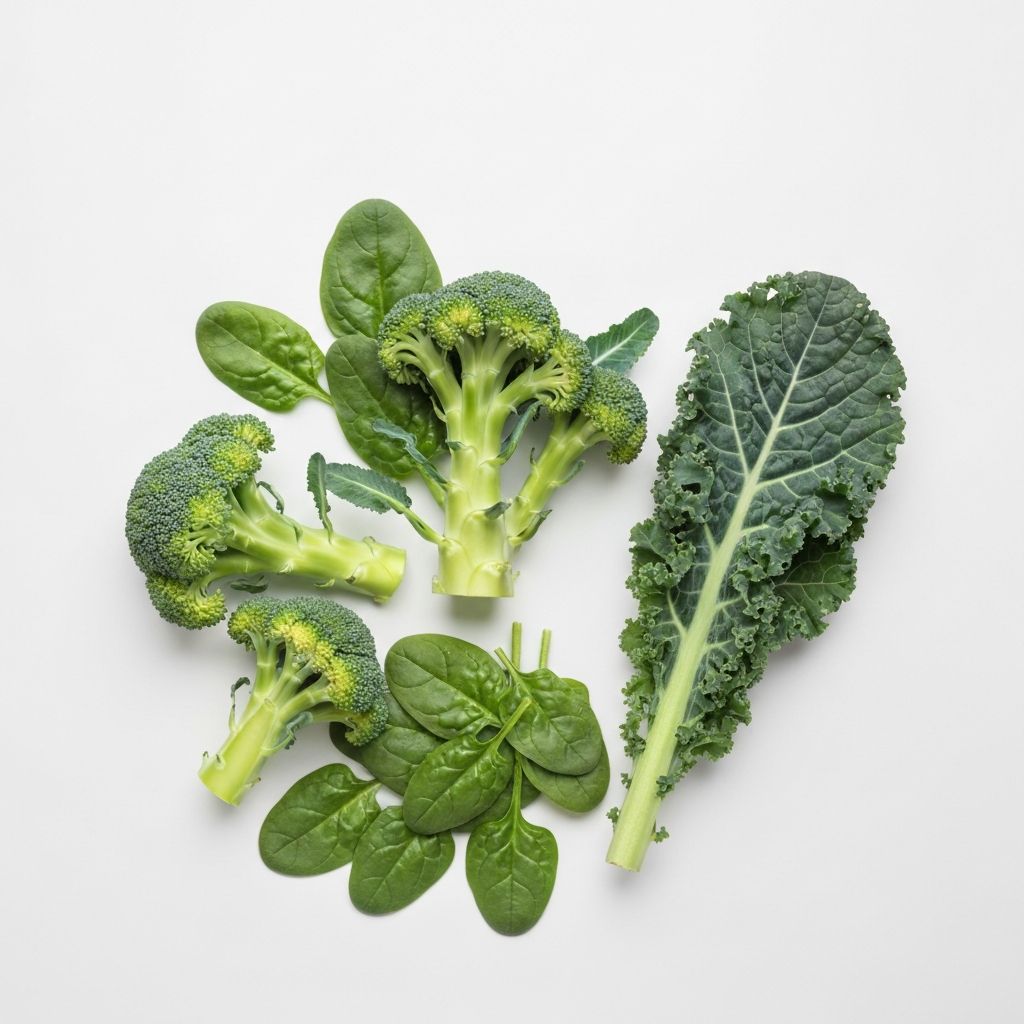
Leafy greens and vegetables are rich in vitamins, minerals, and fiber. They come in various colors and types, each offering different nutrient profiles that can contribute to a balanced diet.
Whole grains provide complex carbohydrates, fiber, and B vitamins. Examples include oats, brown rice, quinoa, and whole wheat, which can be incorporated into various meals throughout the day.
Fruits offer natural sugars, vitamins, and antioxidants. Different fruits have varying nutrient compositions, and incorporating a variety can contribute to dietary diversity and nutritional intake.
Common foods recognized for their nutritional value
Nuts such as almonds, walnuts, and cashews are sources of healthy fats, protein, and various micronutrients. They can be consumed as snacks or added to meals for additional nutritional value and texture.
Learn more about wellness strategies
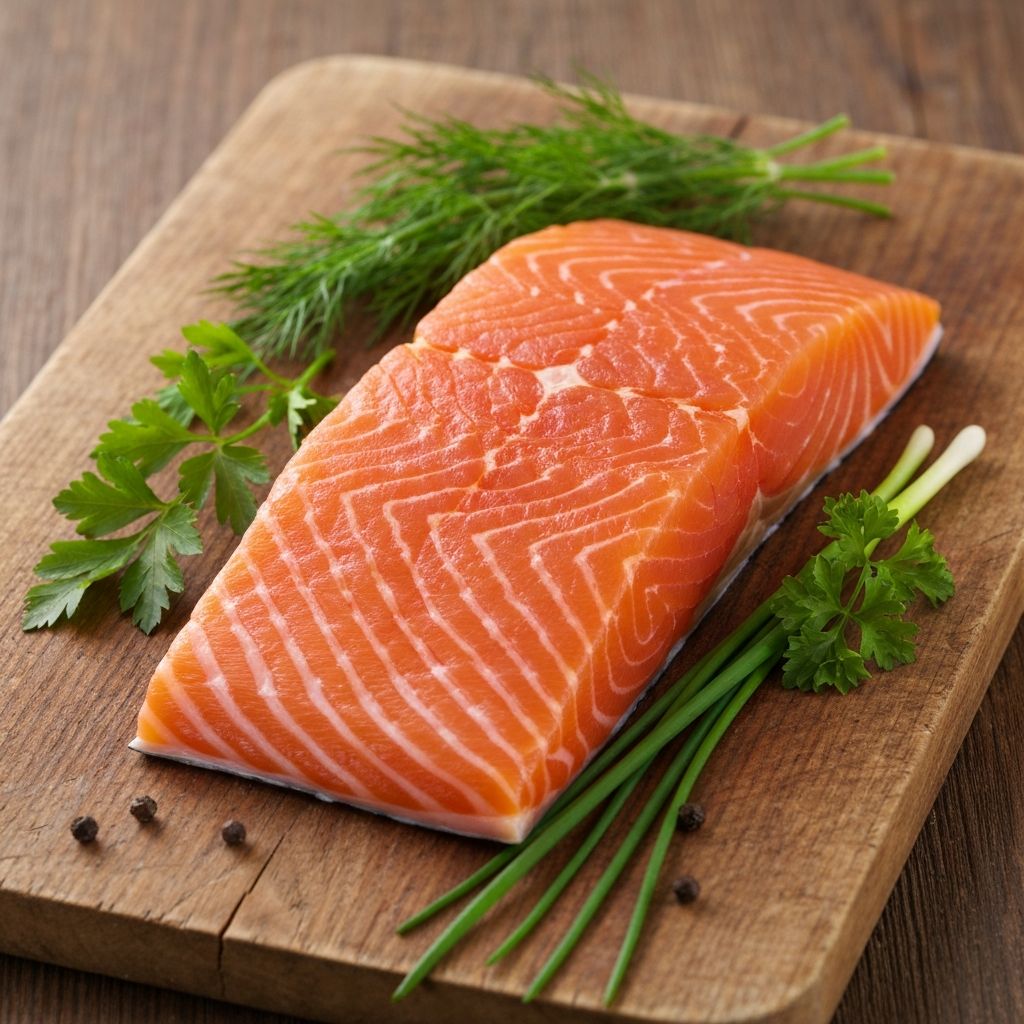
Fish like salmon, mackerel, and sardines contain omega-3 fatty acids and protein. These nutrients are studied for their role in cardiovascular health and overall nutrition when included as part of a varied diet.
Read more
Avocados provide monounsaturated fats, fiber, and potassium. They are versatile ingredients that can be incorporated into various dishes and are valued for their creamy texture and nutritional composition.
Learn more about wellness strategiesUnderstanding research perspectives on nutrition and lifestyle
Nutritional science continues to evolve through research studies that examine the relationship between diet and health outcomes. Evidence-based approaches emphasize peer-reviewed research and controlled studies.
Current understanding of nutrition is built on decades of scientific investigation into how different nutrients interact with human physiology and metabolism.
Research indicates that nutritional needs and responses can vary significantly among individuals based on factors such as age, genetics, activity level, and overall health status.
This variability underscores the importance of understanding general principles while recognizing that individual circumstances differ.
Nutrition information can sometimes be misunderstood or oversimplified. Common misconceptions include the belief that certain single foods or nutrients have dramatic effects on health, or that complex nutritional needs can be addressed through simple solutions.
Scientific understanding emphasizes the importance of overall dietary patterns rather than focusing on individual foods or nutrients in isolation. Context, balance, and variety are key principles in nutritional science.
Educational resources aim to clarify these concepts and provide accurate, evidence-based information to help individuals understand nutrition more comprehensively.
Visual representation of nutritional principles
Incorporating diverse food groups in appropriate proportions
Consuming different foods within each food group
Being mindful of portion sizes and frequency
Meeting nutritional needs through food choices
Beyond nutrition, various lifestyle factors can influence overall wellness. These include physical activity patterns, sleep hygiene, stress management approaches, and social connections.
An integrated approach to wellness considers how different lifestyle elements interact and support each other. For example, regular physical activity may influence sleep quality, which in turn can affect dietary choices and energy levels.
Educational content in this area focuses on explaining these relationships and providing context for how various lifestyle factors are understood in wellness research.
Continue your educational journey with additional resources
This website provides educational information about men's wellness and nutrition. All content is designed to explain concepts and present research-based perspectives on healthy lifestyle approaches.
Read moreFor those interested in learning more about nutrition and wellness, numerous educational resources are available through academic institutions, government health agencies, and reputable scientific organizations.
These sources provide evidence-based information on dietary guidelines, nutritional research findings, and lifestyle recommendations based on scientific consensus.
The information provided on this website is educational in nature and is not intended as individual advice or recommendations. Nutritional needs vary significantly among individuals.
This content explains general concepts about nutrition and wellness approaches but does not replace consultation with qualified professionals for personal circumstances.
Dietary and lifestyle decisions should be made based on individual circumstances, preferences, and in consultation with appropriate healthcare providers when needed.
Educational content only. No promises of outcomes.